The shame around romance scams
In January, we surveyed 2,078 Americans and found out they feel more shame about becoming victims of romance scams compared to other types of scams. Over a half (53%) of respondents agree that people are more hesitant to talk about falling for a romance scam, while only 16% disagree. This reluctance to discuss these incidents creates a dangerous silence that allows scammers to continue operating with little public awareness.
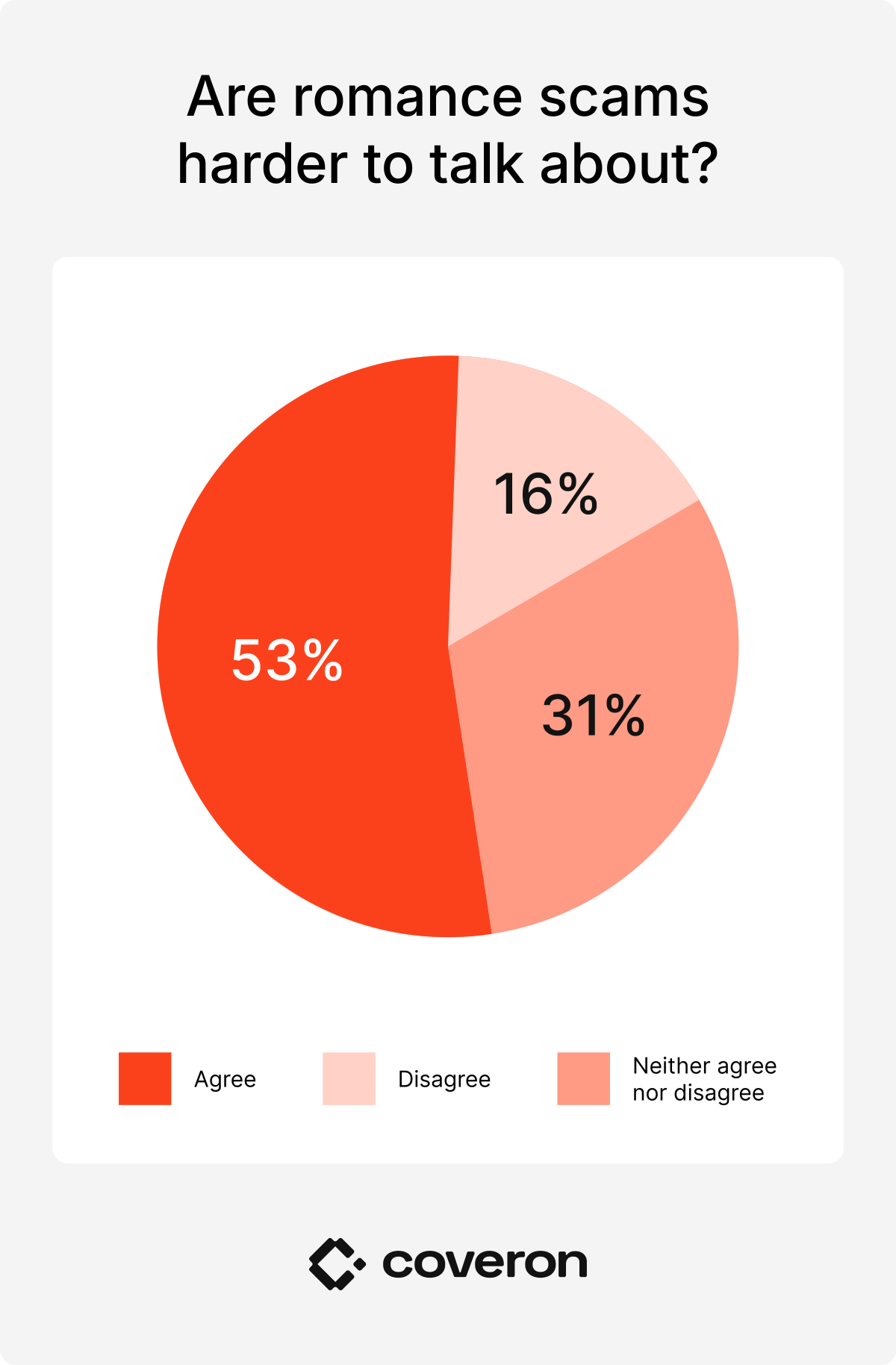
Even among those who lost money and reported the incident, the shame persists. 54% of these victims believe that victims don’t want to discuss romance scams, and only a quarter of them has a different opinion.
This suggests that even after taking action, people still feel the social stigma attached to falling victim to these crimes. For romance scams targeting seniors, that stigma runs especially deep — many are already reluctant to report fraud out of shame or fear of judgment from family members.
Where romance scammers find their victims
Understanding where people search for love helps explain how scammers find their targets. Meeting in real life remains the most popular avenue for finding romantic relationships, with 51% of respondents stating they prefer this method. However, digital platforms are gaining ground — 37% of surveyed Americans use social media, and 30% use dating platforms. And that’s where scammers lurk.
Gen Z breaks this pattern as the only generation with fewer than half (46%) relying on real-life meetings. Instead, they prefer social media (45%) the most. Dating platforms are most popular among millennials, with 37% using these services to find their significant other.
Fake profiles on dating platforms
The prevalence of fraudulent profiles on dating platforms is alarming. 65% of those who have tried dating apps have noticed fraudulent profiles.
Moreover, our survey reveals a gender gap — 71% of men noticed fraudulent accounts, while only 55% of women did. This suggests that men are more frequently targeted by scammers.
The targeting becomes even more focused when we look at specific age groups. Men aged 35-44 are the most popular target, with 75% of them spotting fake profiles on dating platforms.
The money lost to romance scams
The emotional pain of romance scams comes with a hefty price tag. Our survey found that 15% of respondents reported losing money due to romance scams. The most typical romance scam victim is a Gen Z or millennial man between 18-45 years old.
The financial damage varies widely. 30% of respondents lost up to $1,000 to romance scammers, while 19% lost between $1,001-$2,000. On average, victims reported losing $2,001-$4,000. For many, this financial damage takes months or even years to overcome.
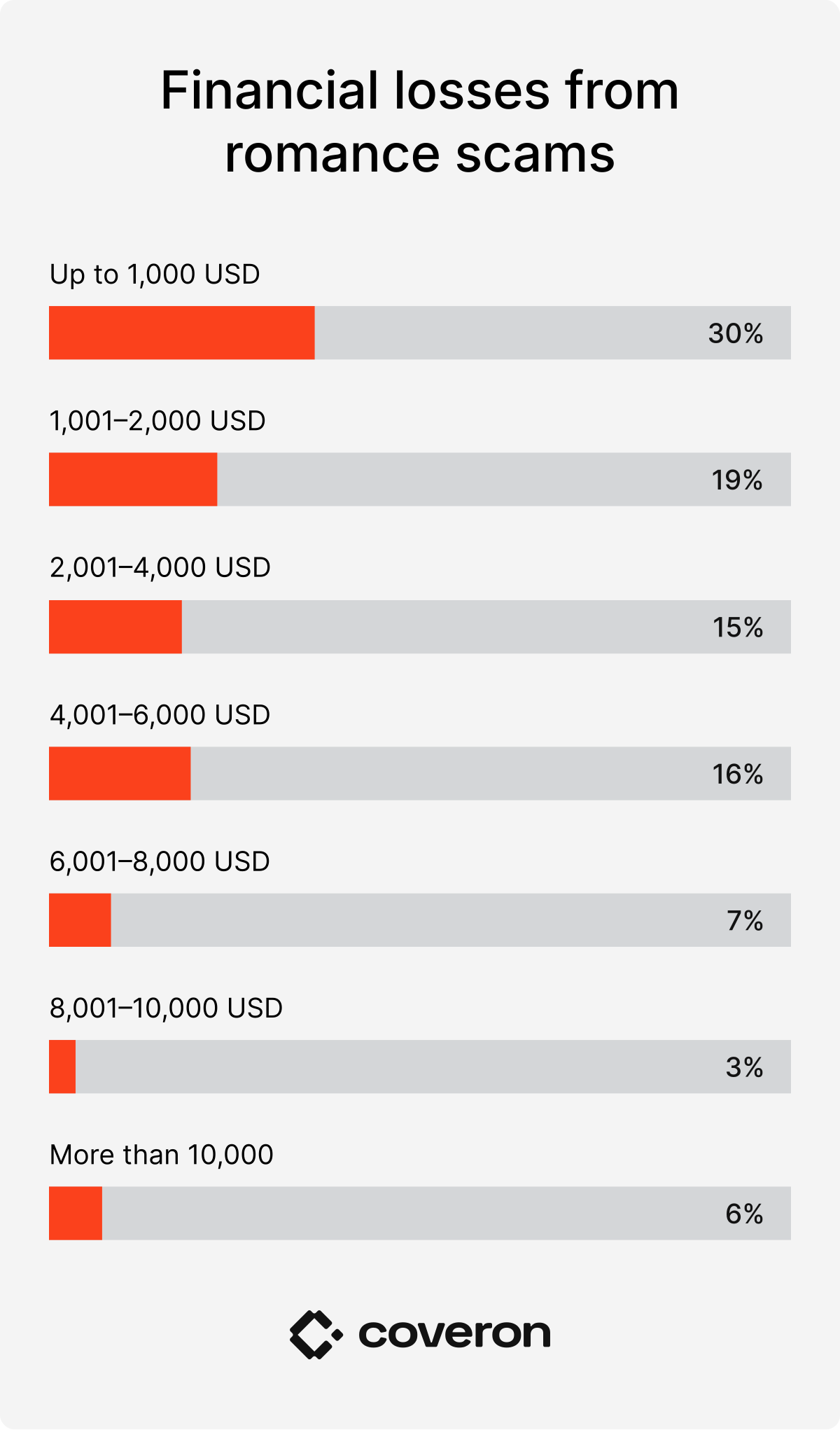
Interestingly, those who lost more than $2,000 showed different reporting behaviors. They reported more frequently not only to their bank or credit card issuer but also to cyber insurance companies. Meanwhile, victims who lost smaller amounts (up to $2,000) were more likely to underreport compared to those who lost over $2,000.
Reporting romance scams
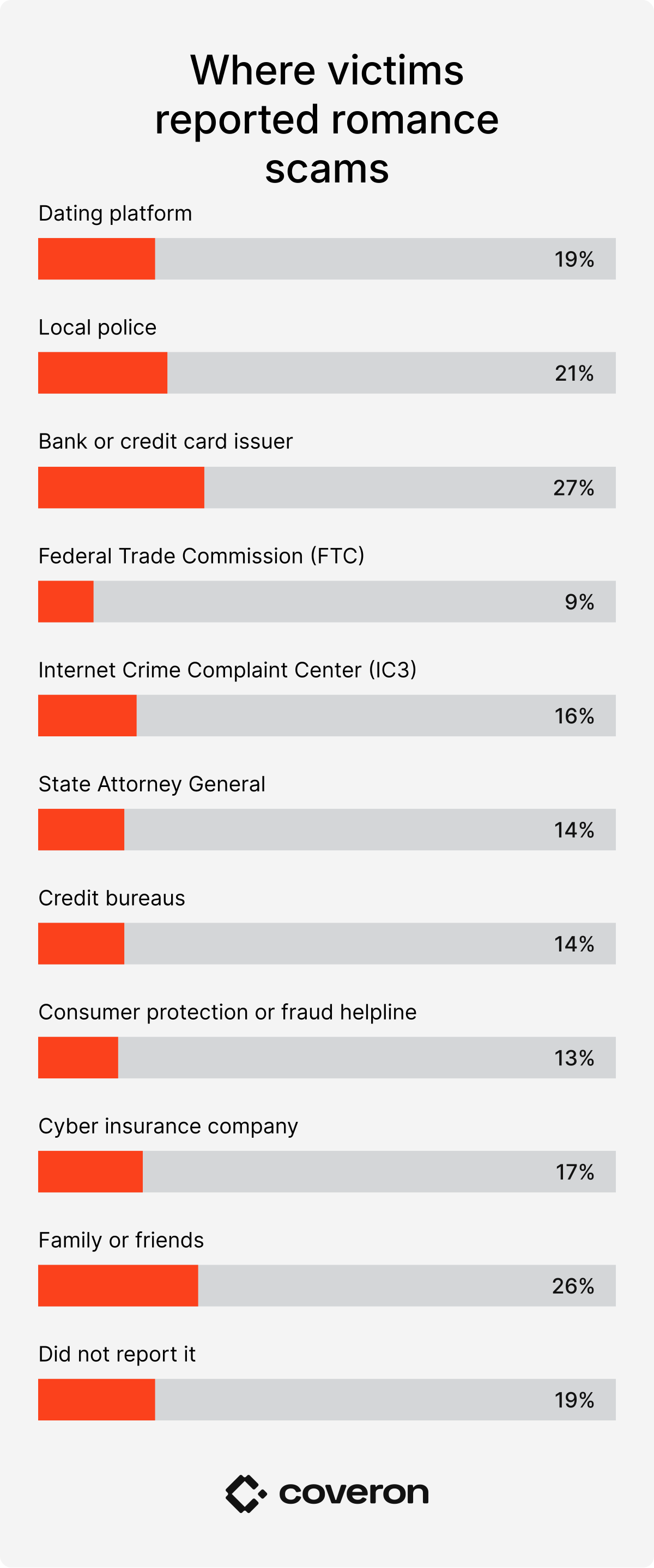
The good news is that the majority of victims report scams. They most commonly turn to their bank or credit card issuer (27%), with family and friends closely behind at 26%. This shows that victims want both their money back and emotional support to get through this highly stressful situation.
21% of survey respondents contacted local police, treating the romance scam as the crime it truly is. However, only 9% reported to the Federal Trade Commission, even though it offers a direct online reporting option at ReportFraud.ftc.gov. Reporting to the FTC as well as the police helps authorities fight fraud on a larger scale and track down these criminal operations.
Methodology
Coveron conducted this survey on romance scam prevalence in the US from January 14-24, 2026, covering 2,078 American adults aged 18-65. The comprehensive research aimed to understand the scope and impact of romance scams across different demographics and age groups throughout the United States.
Get notified and act immediately.
30-day money-back guarantee