Identity theft definition
Identity theft is the act of stealing someone’s personal information and illegally assuming their physical or digital identity. These identity threats are becoming more common as we spend more and more time online. The digital persona you create through the internet — your online identity — is increasingly vulnerable to theft. A criminal can do a lot with stolen personal information, from making unauthorized purchases to taking over financial accounts. For instance, if someone steals your Social Security number and personal details, they might take out a loan in your name, leaving you responsible for the debt.
Identity theft statistics make one thing clear — identity theft is on the rise, and cybercriminals continue to adapt and exploit technology and weak points in security systems, which means individuals and businesses alike face a risk of fraud that’s only getting greater.
Note
Sometimes it can take months or even years to realize someone has misused your identity, which is why protecting yourself is so important.
How does identity theft happen?
Identity theft happens when a criminal obtains your personal or sensitive information and misuses it. They can get a hold of your information in old-school ways — stealing mail or dumpster diving in search of discarded documents, such as bank statements or bills. However, with so much of our personal and financial information stored and shared online, scammers now use a range of techniques to steal data and commit identity theft:
| Identity theft technique | How it works | Example |
|---|---|---|
Phishing | Phishers send fake emails, texts, or job offers or set up malicious websites that look reliable and trick you into submitting personal information like passwords or credit card details. | A convincing email tells you about an issue with your account and provides a link to fix it. You follow it to a fake login page and enter your credentials, which are then captured by the phisher. |
Exploiting data breaches | Scammers exploit security vulnerabilities in organizations to steal large amounts of user data from their databases. Data breaches are the leading cause of identity fraud, which speaks to the impact of data breaches on individuals and how many identity theft cases stem from them. It also shows how closely the issues of identity fraud vs. identity theft are intertwined in practice. | A service you use suffers a data breach that exposes customer information, including yours. A scammer obtains the stolen data and uses your details to create accounts or make fraudulent applications in your name. |
Hacking | Cybercriminals hack into computers and smartphones as well as online accounts to access personal information you store digitally. | A hacker breaks into your computer and accesses files containing personal information, such as copies of your ID or financial documents. They steal the information and use it to commit identity fraud. |
Deploying malware | Cyberattackers use malicious software, such as viruses, trojans, and spyware, to infiltrate your devices and steal personal or financial information. | You unknowingly download malware disguised as a legitimate file or program. The malware searches your device for sensitive information, such as saved passwords or financial details, and sends what it finds to the attacker. |
Intercepting public Wi-Fi traffic | Fraudsters try to intercept unencrypted information you transmit over public Wi-Fi networks to seize your passwords, account details, and other personal data. | You connect to an unsecured Wi-Fi network at an airport and log in to an online account. A fraudster intercepting traffic on the network captures your login credentials and uses them to access your account. |
Card skimming | Criminals place specialized devices on ATMs, gas pumps, and payment terminals to capture credit or debit card information when you use your card. | You pay for gas at a pump fitted with a hidden skimming device. When you insert your card, the device captures its information, which the criminal later uses to make unauthorized purchases or create a counterfeit card. |
Stealing mail and documents | Identity thieves steal mail, identification documents, financial statements, or other paperwork containing personal information they can use to impersonate you or access your accounts. | A thief steals a bank statement from your mailbox and uses the personal and account information it contains to impersonate you or gain access to one of your accounts. |
What are the most common types of identity theft?
With identity theft looming over everyone who uses online banking, shopping, and payment services, it’s good to know the specific risks you’re dealing with. Keep these seven types of identity theft in mind:
Financial identity theft
Financial identity theft occurs when a thief uses your personal information, such as your Social Security number or credit card details, to open new accounts, apply for loans, or make unauthorized purchases. You might end up out of pocket and with a damaged credit score.
Medical identity theft
Medical identity theft happens when someone uses your personal information to obtain medical services, prescriptions, or insurance benefits in your name. This type of theft results in incorrect medical records, denied insurance claims, and unexpected bills for services you never received.
Child identity theft
Child identity theft involves using a minor’s Social Security number to open credit accounts, apply for government benefits, or secure loans. It often goes unnoticed for years until the child becomes old enough to apply for credit, only to find their credit history ruined.
Children aren’t the only age group that can be particularly vulnerable to identity theft. Seniors are frequently targeted as well, especially through scams that try to get them to hand over personal or financial information. For older adults and their families, the best identity theft protection for seniors should therefore cover more than monitoring alone, with features that can help detect identity misuse and provide support if fraud does occur.
Criminal identity theft
Criminal identity theft occurs when someone provides your personal information instead of their own to law enforcement during an arrest or investigation, leading to legal records, warrants, or fines issued under your name.
Identity cloning
Identity cloning is when a thief steals and uses a significant amount of your personal information to impersonate you for various purposes, such as accessing your financial accounts, receiving government benefits, or even committing crimes. To effectively clone your identity, the criminal must accumulate the entirety of your personal information.
Synthetic identity theft
Synthetic identity theft involves creating a new, fake identity by combining real (stolen) and fabricated information, such as using an actual Social Security number with a false name and address. Scammers typically use this type of fraud to apply for credit. Tracing synthetic identity theft is difficult because it blends real and fictional details.
Tax identity theft
Tax identity theft occurs when someone uses your Social Security number to file a fraudulent tax return and claim a refund in your name. You might discover this type of theft when you attempt to file your taxes and find that someone has already submitted a return.
From your finances to your medical records, identity thieves can target many areas of your life. Understanding these different types of fraud is a key step in avoiding the damaging consequences of identity theft.
How do you know if you’ve become a victim of identity theft?
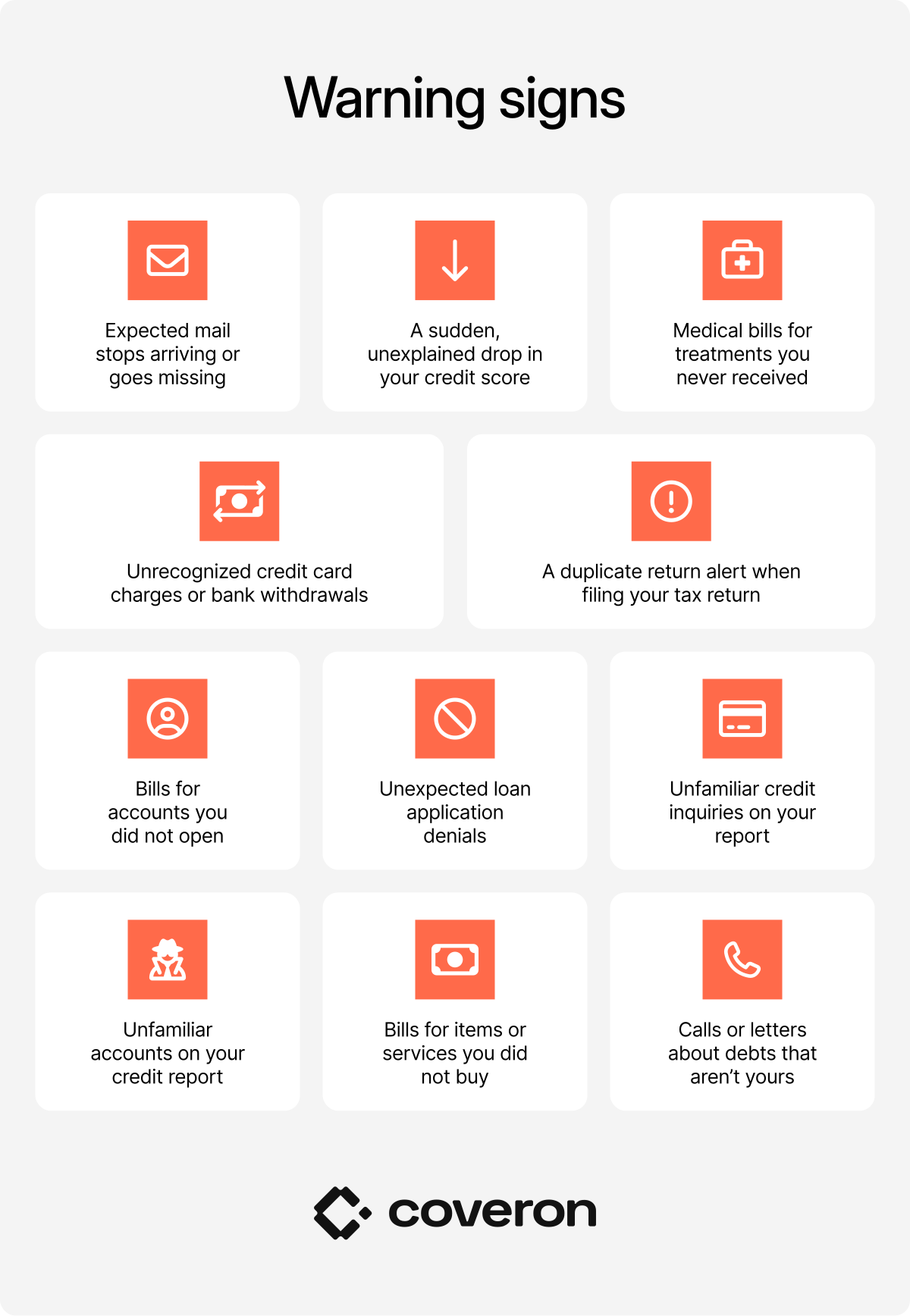
It isn’t easy to know that someone stole your identity unless you keep a close eye on your accounts and credit activity. You may be able to spot identity theft by looking at the personal section of your credit report for details you don’t recognize. Otherwise, the first indication that someone has gotten a hold of your personal data and may be misusing it is strange activity on your accounts or you being unexpectedly denied access to them. These telltale signs of identity theft can help you spot a problem early:
What happens if someone steals your identity?
Identity theft can ruin your credit score and drain your bank accounts, let alone cause frustration as you spend months trying to close the fake accounts under your name. If you have cyber insurance, using a cyber insurance coverage checklist can help you work out which identity theft-related losses your policy covers. As for what identity thieves can actually do with your information, take a look at this breakdown of their actions and how they could affect you:
| What identity thieves do | How it affects you |
|---|---|
Access your bank account | Your money is withdrawn or transferred to the criminal’s account. |
Open credit accounts or take out credit cards in your name | Your credit score drops, and you are burdened with debts you didn’t owe. |
File fake health insurance claims | You receive medical bills for treatments or services you never received. |
File a fraudulent tax return in your name | Your legitimate tax refund is delayed or stolen, and you may face complications with the IRS. |
Steal your child’s identity | Your child’s credit is damaged before they even reach adulthood. |
What should you do if your identity is stolen?
Time is of the essence when it comes to identity theft — the faster you respond, the better your chances of minimizing the damage. If you do become a victim, follow these steps to begin recovering:
- Lock your accounts. Contact your bank or credit card issuer immediately and lock your accounts to prevent further access. Also, report any unauthorized purchases and inquire if the bank will issue a refund for the fraudulent charges.
- Dispute fraudulent accounts. Review your credit card statement from your bank and the credit report from your credit bureau for any unusual activity, use identity authentication measures when verifying your information, and dispute fraudulent charges or accounts directly with them.
- Inform debt collectors. If debt collectors contact you, let them know about the identity theft and your actions, such as filing a police report and disputing fraudulent accounts, so they don’t pursue you for debts that aren’t yours.
- File a report with local law enforcement. Report the theft to the fraud department at your local police station to document the crime and alert law enforcement to suspicious activity.
- Freeze your credit or set up fraud alerts. Take these steps to prevent scammers from opening new credit accounts in your name and inform lenders to take extra precautions.
- Protect your child’s identity. Check if your child has a credit report and consider placing fraud alerts or a security freeze to safeguard their information.
- See if your information has leaked online. Leaked data is one of the primary causes of identity theft, so it’s worth checking whether your personal details have been exposed online or on the dark web. If you’re unsure how to find out if your information is on the dark web, our article gives you the information you need.
How do you report identity theft?
Reporting identity theft is the next step in the recovery process. To report identity theft in the US:
- Notify your bank and credit card issuers. Immediately report the fraud to your bank and credit card companies. As mentioned above, you should close affected accounts and dispute unauthorized transactions.
- Report to the Federal Trade Commission (FTC). Visit the FTC’s website at IdentityTheft.govopens in a new tab, where you’ll create an identity theft report and receive a recovery plan tailored to your situation.
- Contact the credit bureaus. Place a fraud alert or credit freeze on your credit report by contacting one of the major credit bureaus — Experian, TransUnion, or Equifax. They are required to inform the other two bureaus. You also have the right to dispute fraudulent accounts directly with the credit bureaus.
- File a police report. Contact your local police department to file a report, which can help in disputing fraudulent charges and clearing your name in severe cases.
- Contact your insurance provider. If you have identity theft recovery or any insurance related to identity theft, you should contact that provider and ask for help with the next steps.
How can you avoid becoming a victim of identity theft?
You won’t find a foolproof method for avoiding identity theft, but you can take proactive steps to improve your data and identity security by a mile:
- Secure your devices. Use strong, unique passwords and enable biometric features like fingerprint or facial recognition. Don’t forget to keep your software up to date to stay protected.
- Avoid sharing information over the phone. Never share your personal or financial information over the phone, even if the caller says they represent a government agency or a bank. Call that entity yourself to verify if they really need you to provide some information.
- Monitor your credit reports. Regularly check your credit reports for any unfamiliar activity.
- Set up bank alerts. Turn on transaction and security alerts from your bank or credit card provider so you’re notified of unusual activity on your accounts. You can also set up dark web alerts. What is a dark web alert, exactly? It’s a notification that your personal information has been detected on the dark web. Report any transactions you don’t recognize to your bank as soon as you see them.
- Protect personal documents. Check your mail daily and shred documents with personal info before discarding them. To make your life easier, go paperless whenever you can.
- Stay safe online. Use a VPN on public Wi-Fi and always check that the websites you visit are secure (look for HTTPS in the URL). This step is especially important for safe online shopping.
- Be cautious of online scams. Many online scams start with a suspicious email or text asking for personal information, so verify the sender before clicking links or providing details to avoid falling for various types of phishing. You can visit our guide on how to spot a phishing email and Telegram scams for more information.
References
Federal Trade Commission. Report identity theft and get a recovery plan. opens in a new tab
Get notified and act immediately.
30-day money-back guarantee