What is spousal identity theft?
Spousal identity theft is a type of identity theft that happens when a current or former spouse uses your personal information to make purchases, open accounts, apply for loans, or commit other financial fraud without your permission. It can involve your Social Security number, credit card details, bank accounts, or other identifying information. Unlike other forms of identity theft, this type of fraud often goes unnoticed because spouses typically have legitimate access to sensitive documents and financial records.
Can your spouse steal your identity?
Yes, your spouse can steal your identity. Being married doesn’t automatically give someone permission to use your personal information or open accounts in your name.
Spousal identity theft can happen during a marriage, after separation, or even years after a divorce if a current or former partner still has access to your financial records, identification documents, or online accounts.
Abusers may also use identity theft as a form of financial control, making it harder for victims to leave or rebuild financial independence.
If fraud has already occurred, it’s important to understand how to report identity theft as quickly as possible and take steps to prevent identity theft from happening again.
What to do if your spouse has stolen your identity
If you believe your spouse has used your identity without your permission, act as soon as possible. Taking early action can limit financial damage and make recovery easier.
- Review your credit reports for unfamiliar accounts or inquiries.
- Contact your bank and credit card companies to report fraudulent activity.
- Check whether an unfamiliar bank account has been opened in your name.
- Place a fraud alert or freeze your credit with the major credit bureaus.
- Change passwords for your financial accounts, email account, and other essential services.
- Document everything, including suspicious transactions, account statements, and communications.
- Report the fraud to the appropriate authorities and dispute fraudulent accounts with lenders and financial institutions involved. Resources to report the fraud include:
- IdentityTheft.gov
- FTC hotline: 1-877-438-4338
PRO TIP
Recovering from identity theft can be stressful, especially when it involves a family member. Coveron’s identity theft recovery feature provides expert guidance to help you through the recovery process and restore your identity while providing family identity theft protection.
Signs of spousal identity theft
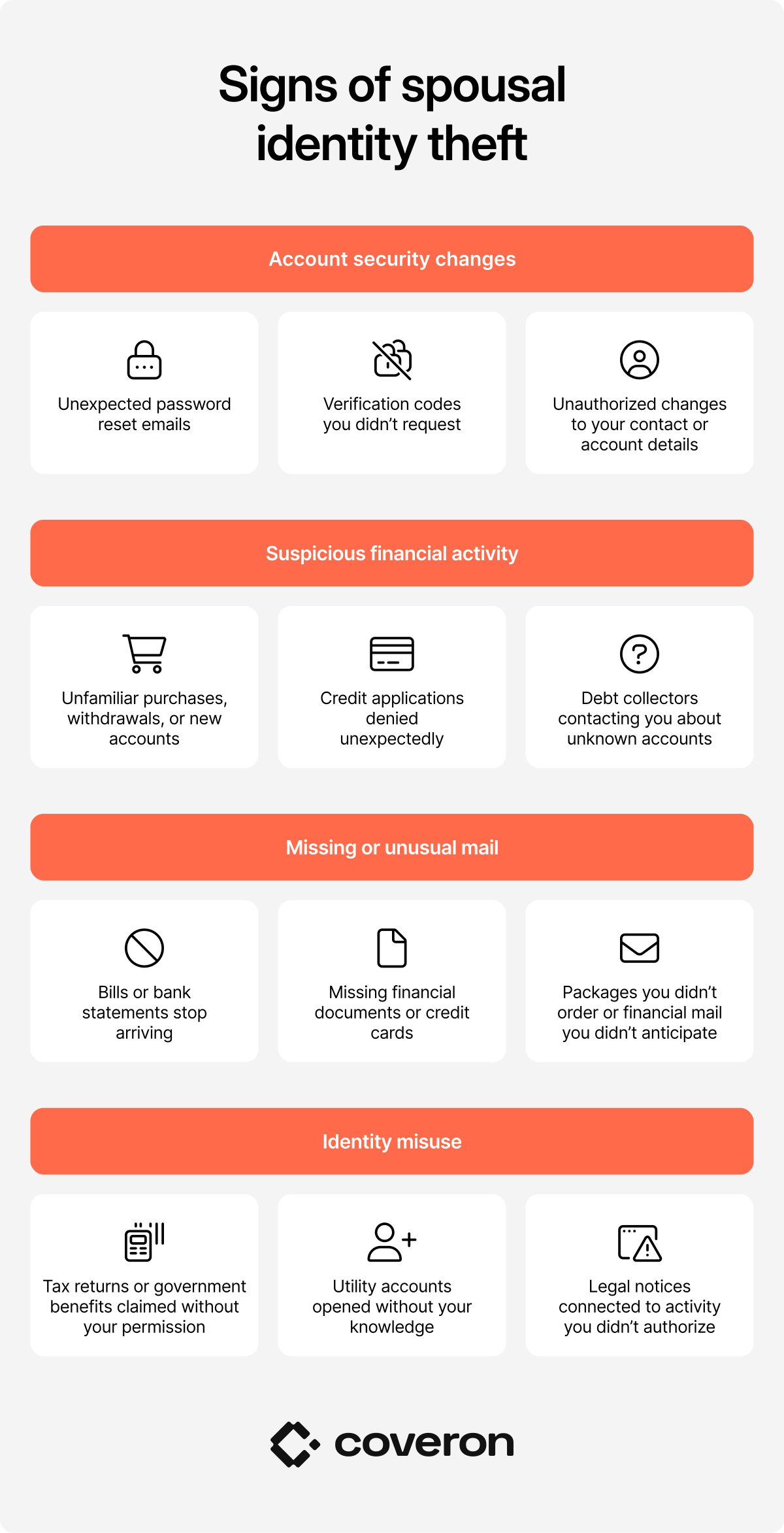
Because spouses often share financial responsibilities, the warning signs can be easy to overlook. Watch for these red flags:
Unexpected password reset emails or security alerts
Verification codes or authentication messages from your bank that you didn’t request
Missing identification documents, credit cards, or financial paperwork
Bills or bank statements that suddenly stop arriving
Unfamiliar withdrawals, purchases, or new bank accounts opened in your name
Credit applications being denied unexpectedly
Debt collectors contacting you about accounts you don’t recognize
Unauthorized changes to your mailing address, phone number, account details, or digital identity
Packages you didn’t order or financial documents you didn’t request
Notices that your tax return has already been filed or government benefits have been claimed
Utility accounts opened in your name without your knowledge
Legal notices or warrants connected to an activity you didn’t authorize
If you notice these signs of identity theft, don’t ignore them. While seeing one of these signs doesn’t automatically mean that you’re a victim of spousal identity theft, a combination of these signs should prompt you to review your financial and credit accounts for unauthorized activity.
Learning how to check if someone is using your identity can help you confirm whether your information has been misused.
How to protect yourself from spousal identity theft
Protecting yourself from spousal identity theft starts with limiting unnecessary access to your financial and personal information, especially during a separation or after a relationship ends. Small preventive steps can make a big difference.
- Monitor your credit regularly. Use credit monitoring to spot new accounts, hard inquiries, or other suspicious activity as early as possible.
- Watch your financial accounts. Financial account monitoring can alert you to unusual transactions that deserve a closer look.
- Check for exposed personal data. Dark web monitoring helps identify whether your sensitive information has appeared in data leaks.
- Secure your credit. Consider placing a credit freeze and using credit lock tools if you believe someone may try to open accounts in your name.
- Protect against new loans. Short-term loan monitoring can help detect unauthorized loan applications.
- Prepare for the unexpected. Some identity protection plans also include cyber extortion coverage, which provides financial support in case of certain cybercrime incidents.
The earlier you detect suspicious activity, the easier it is to limit potential financial damage. U.S. fraud and identity theft losses topped $15.8 billion in 2025, and the number of identity reports filed increased by 31% compared to 2024. These growing numbers highlight the importance of monitoring your accounts and acting right away when something doesn’t look right.1
FURTHER READING
Learn from famous identity theft cases to understand the consequences of identity theft and how these crimes affect victims.
Spousal identity theft is a crime
Spousal identity theft is a crime, even if the person committing it is your current or former spouse. Using someone else’s personally identifiable information (PII) without permission to open accounts, obtain credit, or make purchases can result in criminal charges and civil lawsuits, depending on the laws where you live.
Laws vary by state and country, and in some jurisdictions, prosecuting a spouse specifically for identity theft can be complex — it's a good idea to consult a local attorney.
Potential consequences for the identity thief include fines, restitution, probation, or even jail time. While every situation is different, the law generally treats these actions the same way it would other forms of financial fraud.
PRO TIP
Pairing good security habits with tools like Coveron’s scam protection and identity theft protection can help reduce your risk of such cybercrimes in the future.
Get notified and act immediately.
30-day money-back guarantee
FAQ
References
1 U.S. Fraud and Identity Theft Losses Topped $15.8 Billion In 2025 (July 2026). https://www.experian.com/blogs/ask-experian/identity-theft-statistics/ opens in a new tab