What is a toll scam?
A toll scam is a type of scam where you receive a message that claims you have unpaid toll charges. While toll smishing scams usually arrive as text messages, they can also come through email. Criminals pose as legitimate toll companies to trick you into paying fake fees or sharing your personal information. In some cases, scammers use threats, such as fines, legal action, or license suspension, to pressure you into responding.
Common types of toll scams
Toll scams are growing in popularity as drivers increasingly use electronic toll systems (like E-ZPass, FasTrak, and SunPass). Criminals take advantage of this shift by combining familiar services with urgency and fear.
Because toll transactions happen frequently and across different regions, it’s not always easy to recognize what’s real. Some drivers may also not be familiar with how official toll payments work, which makes these schemes seem more convincing.
Let’s take a look at some types of toll scams you should watch out for.
E-ZPass toll scam
Scammers pretend to be an E-ZPass customer service representative and claim you have unpaid tolls. These scams often push you to pay quickly via gift cards, wire transfers, or online payment links. They typically rely on urgency and threats, such as fines. While E-ZPass is used in specific regions, similar scams commonly target drivers in California, Georgia, and Texas.
FasTrak toll scam
In a FasTrak toll scam, fraudsters text or email you with claims of missed toll payments, usually targeting drivers in California. They pressure you to pay quickly to avoid penalties, sometimes using fake phone numbers.
SunPass toll scam
In Florida, scammers may send emails or texts claiming you have unpaid tolls. The messages often include links to fraudulent websites designed to steal your personal and financial information.
I-PASS toll scam
In Illinois, fraudsters contact you about supposed unpaid I-PASS tolls. They may threaten to hold your vehicle registration or take other legal action. Scammers typically push for immediate payment via non-traditional methods.
PeachPass toll scam
Georgia drivers may receive fraudulent notices claiming PeachPass violations. Scammers often demand payment through unusual channels like prepaid cards or cryptocurrency.
NY Toll Services scam
These New York-based scams involve calls or emails from a generic-sounding agency like NY Toll Services claiming unpaid tolls and penalties. The goal is to pressure you into quick payments without verifying the claim.
Generic toll road services scam
Generic toll road scams target drivers across multiple states, using emails, texts, or calls. Scammers often mimic official toll authorities and demand payment to avoid fines or legal consequences.
How does a toll scam work?
Toll scams are a type of phishing scam designed to trick people into paying fake toll fees or sharing sensitive information. Scammers often create a sense of urgency by claiming you have an overdue balance and must act immediately to avoid penalties. Here’s how a toll scam generally unfolds:
- You receive a text message (usually from an unknown phone number) claiming that you owe money for unpaid tolls.
- Scammers make their messages look like they’re from an official toll company.
- Links in the message redirect you to a fake website that asks for your personal or financial information.
- Scammers may request payment through fake payment portals, wire transfers, or other non-standard channels.
- Once the criminals have your information or payment, they block you.
- Some scam messages include links that install malware on your device, which can be used to steal additional information or launch similar internet fraud attempts.
Common approaches used in toll scams include:
“Unpaid toll” phishing text
Scammers send texts claiming you haven’t paid a toll, often including a link to “resolve” the issue. Clicking the link can direct you to phishing sites or trigger malware downloads.
Fake customer service and alerts
Fraudsters impersonate toll agency representatives via calls or emails, creating a sense of urgency. They may threaten fines or legal action to pressure you into paying immediately.
Fraudulent payment sites
Scammers create fake portals that mimic official toll payment websites. Entering your credit card or personal information gives criminals access to your data, which they can use to make unauthorized charges.
Malware installation
Links in scam messages may attempt to install malicious software on your device or redirect you to phishing sites. This approach allows attackers to steal your passwords and banking information or even control your device remotely.
Identity theft
By collecting personal information through phishing texts, fake sites, or malware, scammers can commit identity theft. This data can be used to open accounts or commit further financial fraud under your name.
Examples of toll scams
Toll scams can appear in different forms, but they all rely on creating urgency, confusion, or fear to trick people into making quick payments or sharing personal information. Below are some common examples of how these scams may look in practice:
- Urgent unpaid toll text: A message claims you have an overdue toll balance and must pay immediately to avoid fines or extra charges, often including a suspicious payment link.
- Small balance scam: A text or email says you owe a very small toll amount (like $1–$5), making it seem harmless so you pay without verifying the charge.
- Out-of-state toll notice: A message claims you owe tolls in a state you’ve never visited, hoping you’ll panic and pay without checking.
- Vehicle penalty threat: A scam message warns that your vehicle registration, license, or driving record will be affected unless you immediately settle an unpaid toll.
- Customer service impersonation: A scammer pretends to be a toll support agent and asks you to confirm personal or payment details over phone, text, or email.
How to spot a toll scam
Toll agencies sometimes send legitimate text alerts and notifications about your account. But unexpected messages demanding immediate payment, especially those with links or threats, are likely scams.
Here’s how to figure out if you’re dealing with a potential toll scam:
- Messages you weren’t expecting: Receiving calls, emails, or texts about tolls you don’t remember paying or violations you didn’t commit.
- Suspicious links in messages: Links that don’t match the official toll agency’s website or URLs that look unusual.
- Generic greetings: Emails or messages that start with “Dear Customer” instead of using your name.
- Urgency and threats: Scammers pressuring you to pay immediately, sometimes threatening fines, legal action, or vehicle registration holds if you don’t comply. Or texts claiming your vehicle was caught on camera and that you have a "notice of toll evasion."
- Unusual payment methods: Requests for payment via gift cards, cryptocurrency, wire transfer, or other unconventional channels.
- Small amounts for repayment: Messages claiming minor tolls or fees are usually designed to make you pay quickly without verifying the charge.
- Incorrect information: Errors in license plate, vehicle details, or account numbers. Messages about tolls in a state you haven’t been to or from a service you don’t use.
- Broken language: Poor grammar, spelling mistakes, or awkward phrasing.
- International numbers: Calls coming from foreign or unrecognized area codes, especially if the sender is claiming to be a local toll agency.
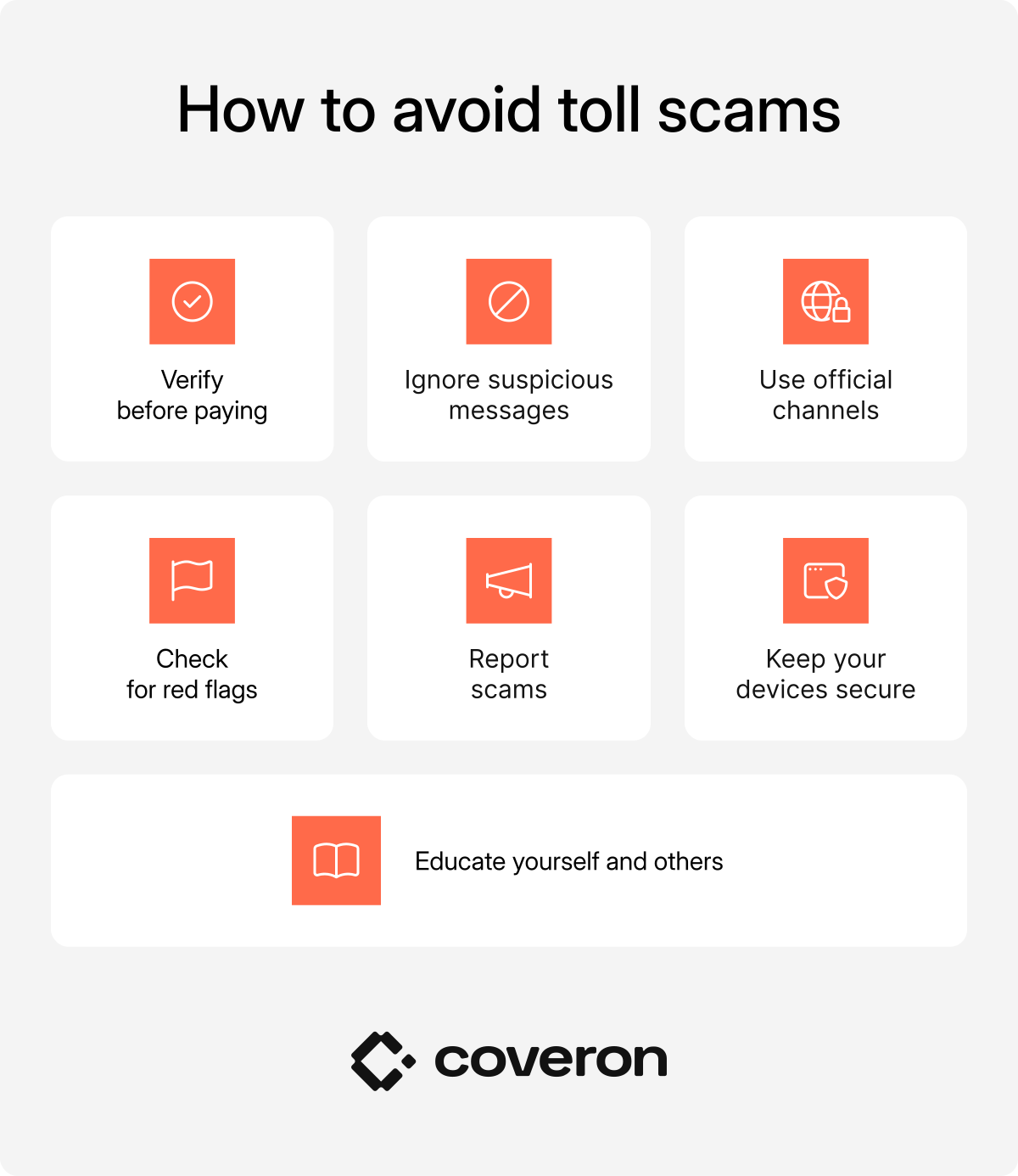
How to avoid toll scams
To conduct toll scams, criminals often only require a fresh phone number and generic messaging templates. Adopting safe practices and recognizing the indicators of these scams is key to protecting yourself and your finances:
- Verify before paying: Always check your official toll account (E-ZPass, FasTrak, SunPass, etc.) to confirm any charges before responding to messages.
- Ignore suspicious messages: Don’t click on links or call numbers provided in unexpected texts, emails, or voicemails.
- Use official channels: Access accounts directly through the official website or verified phone numbers. Bookmark the official site to reduce the risk of phishing.
- Check for red flags: Always check for generic greetings, urgent threats, unusual payment methods, poor grammar, or requests for gift cards or cryptocurrency.
- Report scams: Notify your toll agency and, if necessary, local authorities or the Federal Trade Commission (FTC). Reporting helps prevent others from being targeted.
- Keep your devices secure: Use updated antivirus software, enable spam filters, and avoid downloading attachments from unknown sources.
- Educate yourself and others: Learn how to identify a spam text message, how to spot a phishing email, and other common scam tactics. Share awareness with family or colleagues who frequently use toll roads.
What to do if you become a victim of a toll scam
Falling victim to a toll scam or smishing scam can feel stressful, but staying calm is key. Acting hastily can give scammers more leverage and increase the chances of further financial or personal harm.
Follow these steps to protect yourself and limit the impact of the scam:
- Stop communication immediately: The first step is to cut all contact with the scammer. Don’t answer calls, reply to messages, or provide any further personal or payment information. Continuing communication only gives the scammer more opportunities to manipulate you.
- Document the scam: Keep a record of every interaction. Take screenshots and save emails, texts, call logs, or any receipts. This documentation will help authorities and any other financial institutions better investigate your case.
- Contact your toll agency: Notify your official toll provider (E-ZPass, FasTrak, SunPass, etc.) to report the scam. Confirm whether you owe real tolls that you need to pay.
- Alert your bank or credit card company: If you made a payment or shared financial information, contact your bank immediately. Ask them to block your cards, dispute charges, freeze your credit, or monitor accounts for any unauthorized activity. Acting quickly can prevent further losses.
- Change your passwords: If you entered login credentials on a fake site or suspect your accounts may be compromised, change the passwords for your toll accounts, email, and related financial accounts. Use strong, unique passwords.
- Report to authorities: File a report with the following organizations:
- Local police or sheriff’s department.
- Federal Trade Commission via reportfraud.ftc.gov.
- Internet Crime Complaint Center (IC3) at www.ic3.gov.
- Monitor your accounts: Keep a close eye on your bank statements, toll accounts, and credit reports for unusual activity. Keep monitoring for at least several months.
- Educate others: Share your experience with friends, family, and other drivers to help prevent them from falling for similar scams.
- Consider advanced security solutions: After a toll scam, extra protection can give you peace of mind. Coveron offers scam protection, credit monitoring, identity theft recovery, and financial account monitoring. You also get security alerts and notifications that allow you to respond quickly.
Get notified and act immediately.
30-day money-back guarantee