What is military identity theft?
Military identity theft is a form of identity theft in which criminals specifically target the personal information of active-duty service members, veterans, or their dependents to commit fraud. Like other types of identity theft, it typically involves stealing Social Security numbers, financial account details, military IDs, or VA benefits information, then using that data to open fraudulent accounts, file fake claims, or impersonate the victim.
The consequences of identity theft can follow you long after the fraud itself. A stolen identity can drain your savings, wreck your credit, result in unexpected tax or medical bills, and even put your security clearance at risk. Knowing what you’re up against is the first step to staying safe.
Why are military members and veterans the primary targets of identity theft?
Military members and veterans are primary targets of identity theft because their lifestyle, records, and benefits make them attractive, and often vulnerable, to criminal exploitation.
- Frequent relocations: Moving between bases means constantly sharing personal information with new banks, landlords, utility companies, and government agencies. Every handoff is an opportunity for data to be lost or intercepted.
- Extended absences: Deployments can last months, with limited internet access and little time to review financial statements. Identity thieves can operate undetected for a long time before anyone notices something’s wrong.
- Steady income and benefits: Military pay, housing allowances, and VA benefits lead to active, funded accounts worth targeting. Criminals know the money is there.
- Security clearance vulnerability: Identity theft damages credit, and damaged credit can trigger a clearance review or revocation. Rather than risk their career, many service members quietly pay off fraudulent debts instead of reporting them.
- Publicly available military records: Certain military records are stored in accessible public databases or can be obtained through the Freedom of Information Act (FOIA) requests.
- Dependents and families left behind: When service members are deployed, spouses or other family members are often managing finances alone, sometimes with less experience in recognizing financial fraud.
- Heavy reliance on digital communication: Military personnel often depend on email, online portals, and remote communication tools during deployments. That reliance can increase exposure to phishing attacks and fake military-related websites.
- Targeted military scams: Criminals frequently design scams specifically for military communities. Fake charities, impersonation scams, and fraudulent benefit offers often use military language and imagery to appear legitimate.
What are the common types of military identity theft?
Military identity theft can take several forms depending on what information a criminal has access to and what they’re trying to accomplish. Here are the most common types to be aware of.
Financial identity theft
Financial identity theft is the most prevalent type. Thieves use a service member’s personal information, such as their Social Security number, date of birth, or banking details, to open credit cards, take out loans, or drain existing accounts.
Because service members are often away and unable to monitor their finances closely, this kind of fraud can go undetected for months. Financial identity theft can hurt your credit score, create debt collection problems, and make it harder to qualify for future loans.
Tax identity theft
Tax identity theft happens when a fraudster files a tax return using a service member’s SSN before they do. The thief claims a refund, and when the real service member goes to file, their return gets rejected. Resolving this issue with the IRS takes time, often many months, which is especially disruptive during or after deployment.
A common warning sign is having your legitimate tax return rejected because one has already been filed in your name. Victims may also receive unexpected IRS notices about unfamiliar tax activity.
Medical identity theft
Criminals sometimes exploit veterans’ benefits to submit fake medical claims or obtain prescription drugs fraudulently. Medical identity theft can go undetected until the victim receives unexpected bills, finds unfamiliar procedures in their medical records, or gets denied coverage for a legitimate claim.
Veterans may face additional risks because fraudsters sometimes target military healthcare benefits and veteran programs. Besides financial harm, medical identity theft can create inaccurate records that may affect future treatment.
Military impersonation scams
Fraudsters steal real service members’ photos and personal details from social media, then pose as military personnel on dating apps or social platforms. Their goal is to earn someone’s trust and then extort money from them. Meanwhile, the real service member’s identity and reputation take a hit.
Military romance scams are one of the best-known examples. Fraudsters often claim they’re deployed overseas and unable to access their own funds, then pressure victims to send money urgently. Read more in our guide to impersonation scams.
What are the warning signs of military identity theft?
Catching identity theft early limits the damage. Here are the key red flags to watch for:
- Missing bills or financial statements. If your regular mail stops arriving, someone may have changed your address to intercept it.
- Unexpected account denials. Being denied credit you’d expect to qualify for could signal that someone has damaged your credit profile without your knowledge.
- Unfamiliar accounts on your credit report. Accounts you don’t recognize are a clear sign that someone has opened credit in your name.
- Unsolicited credit cards arriving in the mail. These may mean a criminal applied for credit using your personal information.
- Debt collection calls for accounts you didn’t open. Collectors pursuing unknown debts are a serious warning sign that your identity may have been used fraudulently.
- Tax return rejection. If the IRS says your SSN has already been used to file a return, you’re likely a victim of tax identity theft.
- Security clearance review flags. A sudden or unexplained clearance review, particularly one tied to financial irregularities, may indicate someone is using your identity.
For a deeper look, check our full guide on signs of identity theft.
How to protect yourself from military identity theft
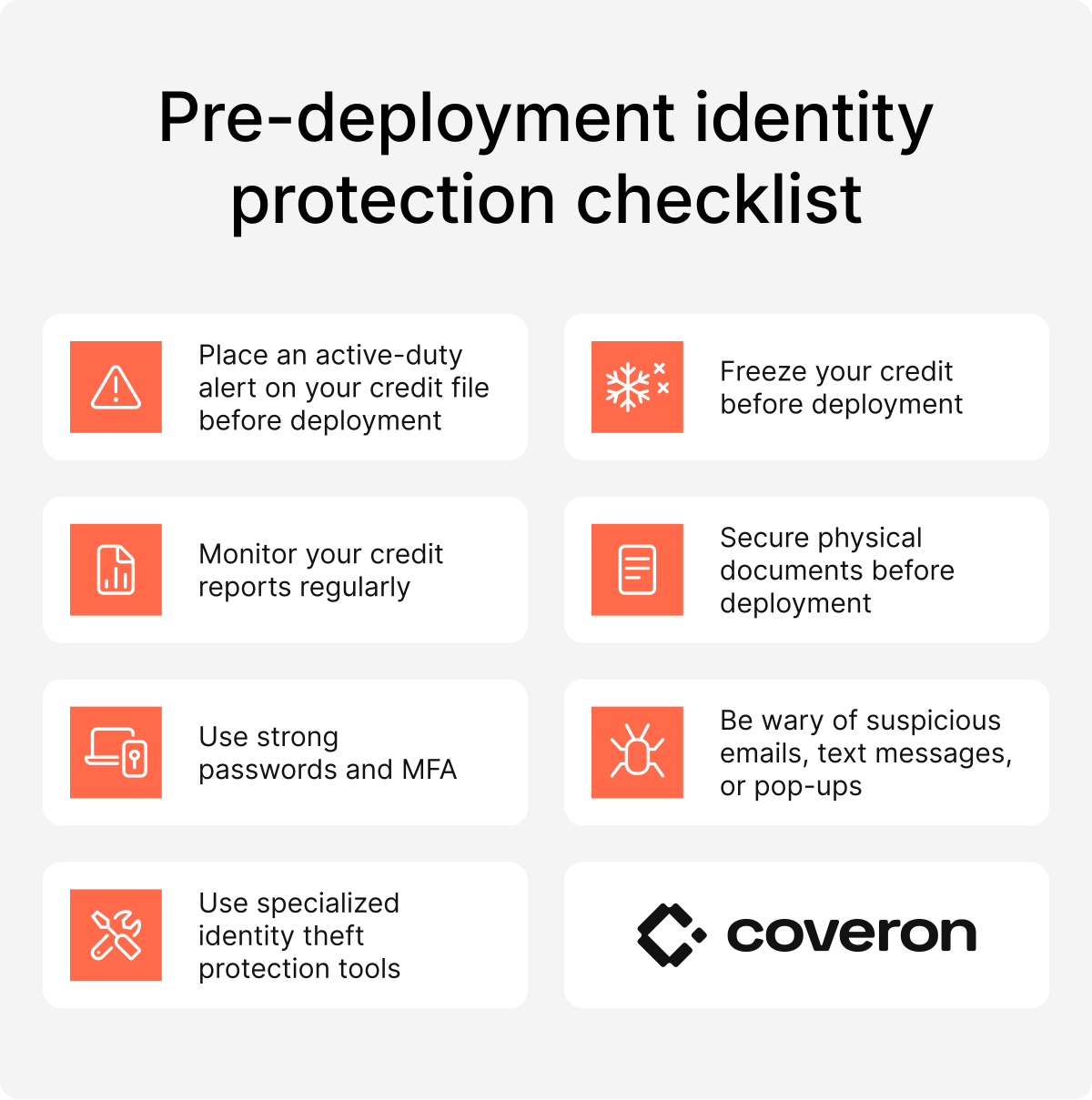
You can’t always stop criminals from targeting you, but you can make it harder for them to succeed. Here are the most effective steps you can take for military identity theft protection.
Place an active-duty alert on your credit file before deployment
An active-duty alert is a special type of fraud alert designed specifically for military members. When active, it requires creditors to take extra steps to verify your identity before granting any new credit in your name. It lasts 12 months, is free to set up, and is renewable. You only need to contact one of the three major credit bureaus, such as Equifax, Experian, or TransUnion, and they’re legally required to notify the other two. It’s one of the simplest and most effective steps you can take before shipping out.
Freeze your credit before deployment
A credit freeze, also known as a security freeze, blocks all new credit inquiries. No one can open new accounts in your name until you lift it.
You can request a freeze through each major credit bureau. It’s free, and it’s one of the strongest protections available. See our guide on how to freeze your credit for step-by-step instructions.
Monitor your credit reports regularly
Active-duty military members are entitled to a free credit report from each of the three major bureaus. Take advantage of it and review your reports regularly for unfamiliar accounts, suspicious inquiries, or incorrect personal details.
For more comprehensive coverage, Coveron’s credit monitoring service delivers near-instant security alerts about credit activity that may indicate the risk of fraud or identity theft, including new accounts, new inquiries, delinquent accounts, and more.
Secure physical documents before deployment
Before you leave, take stock of your personally identifiable information in physical form. Shred personal documents you no longer need. Store originals for documents like your passport, birth certificate, or financial records in a fireproof safe. Grant a trusted person power of attorney to manage your finances in your absence, and use only secure, encrypted channels when accessing personal files from overseas.
Use strong passwords and MFA
A strong, unique password for every account is essential. But passwords alone aren’t enough. Also enable multi-factor authentication (MFA) on all accounts that support it. Even if a criminal gets your password, MFA means they still can’t get in without a second form of verification.
Be wary of suspicious emails, text messages, or pop-ups
Phishing is one of the most common ways criminals steal credentials and personal data. Fake military websites and convincing-looking emails are designed to trick you into entering your information. Watch out for emails or sites asking for your login credentials and military ID details, and look for misspellings and urgent language. Always check that a site uses HTTPS before entering any sensitive information. When in doubt, don’t click. Our guide on how to spot a phishing email covers the key red flags.
Use specialized identity theft protection tools
Beyond the basics, specialized identity theft protection and scam protection add a powerful extra layer of defense.
Coveron monitors the dark web 24/7, sends instant security alerts, and —if you do become a victim — can help you access up to $1M to cover qualifying identity theft recovery costs (subject to a $100 deductible), including legal fees, lost wages, document replacement, and mental health counseling. Coveron also offers up to $50,000 to cover eligible cyber extortion response costs (also subject to a $100 deductible).
What to do if you become a victim of military identity theft
Discovering your identity has been stolen can be alarming, but acting fast limits the damage. Here’s what to do, and for a full walkthrough, see our guides on how to report identity theft and what to do if your identity is stolen.
Step 1: Report the military identity theft to the FTC
Go to IdentityTheft.gov, the FTC’s official resource for identity theft victims. Filing there generates a personalized, step-by-step recovery plan and creates an official Identity Theft Report. You’ll need this document when disputing fraudulent accounts with creditors and financial institutions.
Step 2: File a police report
A police report provides official documentation of the crime. It’s especially useful when contesting fraudulent charges with creditors or clearing your name with lenders. Bring your FTC Identity Theft Report and any other evidence when you file.
Step 3: Contact your commanding officer and your base’s Legal Assistance Office
Notify your commanding officer and contact your installation’s Legal Assistance Office. Most offer free legal support to service members who’ve been victimized. Depending on the nature of the fraud, you may also need to report to your branch’s investigative arm, such as Army CID, NCIS, or the relevant equivalent for your branch.
Step 4: Place fraud alerts and credit freezes with all three bureaus
Contact Equifax, Experian, and TransUnion directly. A fraud alert lasts one year; an extended alert lasts seven years and is available to confirmed identity theft victims. A security freeze offers even stronger protection by blocking all new credit activity entirely. You can request both through each bureau’s website.
Step 5: Contact the companies where the fraud occurred
Reach out to the lenders, banks, credit card issuers, or utility companies involved in the fraudulent activity. Request that the accounts be closed and that the fraudulent activity be formally documented. Ask for written confirmation.
Step 6: Change affected account passwords and PINs
Close any compromised accounts and immediately change passwords and PINs for any account that may have been accessed. Going forward, use unique, strong passwords for every account and enable MFA wherever possible.
Step 7: Leverage legal protection acts such as SCRA and MLA
Two federal laws offer important protections for military identity theft victims. The Servicemembers Civil Relief Act (SCRA) provides civil protections for active-duty service members, including a cap on interest rates for pre-service debts and protection from default judgments, both of which can be invaluable if fraud has created unexpected financial obligations.
The Military Lending Act (MLA) protects against predatory lending practices, particularly relevant when criminals take out high-interest loans in a service member’s name. Contact your Legal Assistance Office to understand how these protections apply to your situation.
Get notified and act immediately.
30-day money-back guarantee