What are fake job postings?
Fake job postings are online scams that aim to steal your personal information, exploit you for free labor, and in some cases, steal money from you. Like many job scams, these listings are created with malicious intent.
Fake job postings aren’t the same as “ghost jobs,” which are job listings created by hiring managers from legitimate companies without the intention to actively hire anyone. While both fake job postings and ghost jobs can be misleading for applicants, ghost jobs are generally not designed to steal money or personal information.
How to tell if a job posting is fake: 10 warning signs
One reason fake job postings can be especially dangerous is that they often look similar to legitimate job listings, which can cause you to apply to them without closer review. Here are the most common signs of fake job postings to watch out for:
1. Salary seems unrealistically high
Job postings that advertise unusually high salary ranges — especially for entry-level jobs — can indicate they’re not legitimate. These scams use inflated pay offers to attract attention and lower your caution, making you more likely to apply and share personal information during the process.
2. Conditions seem unrealistically good
Offers that promote “good working conditions” (such as guaranteed remote work or high-level benefits upon application) may also be fake job listings. This pattern is especially common in scams targeting seniors, with offers using highly attractive conditions to increase appeal and appear more legitimate.
3. Identical job posting under different company names
Fake job listings are often deployed by criminals en masse, and one tactic they use to avoid detection is creating the same fake job listing under different company names. If you encounter multiple job ads in your search that are nearly identical in wording, structure, or requirements but are under different employers, it may indicate coordinated scam activity.
4. Unsolicited contact by recruiters
Anyone claiming to be a hiring manager or recruiter and contacting you out of the blue could possibly also be scamming you, especially when it’s conducted through informal channels. This is a common tactic in WhatsApp scams and Telegram scams.
However, not all direct outreach is suspicious. Legitimate headhunting also involves recruiters proactively contacting candidates. The key difference is how they reach out and present themselves. Real recruiters typically communicate through professional channels such as company email addresses, LinkedIn, or established recruiting platforms.
5. You receive an offer without an interview
Most legitimate employers conduct at least some form of screening or interview before extending an offer. If you get a job offer straight away without being screened, it’s a strong indicator that the opportunity may not be legitimate.
6. Job description looks vague and generic
Warning signs of a scam include unclear work requirements, compensation, or application process. Generic or vague job postings are often designed to cast a wide net and attract a large number of applicants.
7. The company is hard to verify
If a company has little to no online presence — such as a missing or recently created website, no LinkedIn page, no Glassdoor reviews, and no employee opinions — it can be a warning sign, especially when combined with other red flags. It becomes more concerning if the company appears to be hiring for multiple positions. A lack of verifiable information alongside broad hiring efforts may indicate coordinated scam activities.
8. Recruiters pressure you to respond quickly
Be wary of hiring managers or recruiters who pressure you to respond, especially if they promise a reward or incentive for completing their application process. In some cases, scammers use urgency to convince applicants to share personal information or complete “trial work.”
9. Recruiters ask for payment
Job posts that ask payment for training materials, background check fees, equipment purchases, or certification costs are typically scams. Legitimate employers generally don’t require applicants to pay upfront fees to secure employment. In most standard hiring processes, any tools, onboarding materials, or training are provided after you’ve been hired, not before.
10. Recruiters ask for sensitive personal information too early
Job applications may eventually require sensitive details such as an SSN, passport scans, and bank account details, but these should only be requested after a formal, signed job offer has been made and accepted.
A job posting that immediately asks for this type of information is a strong scam indicator. Sharing these details too soon increases the risk of identity theft and employment identity theft.
If you’d like to learn more, our guides on how to see if someone is using your Social Security number and what someone can do with your bank account number can help you better understand the risks involved.
To make these warning signs easier to compare, here’s a side-by-side breakdown of what legitimate job postings typically look like versus common characteristics of fake or scam listings:
| Evaluation criteria | Legitimate job posting | Fake job posting |
|---|---|---|
Job description detail |
|
|
Salary transparency |
|
|
Contact information |
|
|
Interview process |
|
|
Payment requests |
|
|
How to verify a job posting before you apply
Verify a job posting by always doing your research — whether that’s about the company, the recruiter, or even the way the opportunity was shared with you. Taking the time to validate details like the company’s online presence and contact information can be one of the most effective ways to identify whether you’re dealing with a genuine opportunity or a fake job posting.
Research a company’s legitimacy
Check that the company behind a job posting truly exists. Check for a professional website, consistent branding, and contact information. The job posting should also be listed on the company’s page, though this may not always be the case for higher-level or confidential roles.
For additional verification, search the company on Glassdoor, LinkedIn, and the Better Business Bureau (BBB), paying attention to reviews. Finally, you can call the company’s main phone line independently (found on their official website, not the job posting) to confirm whether the role is real and whether the recruiter and contact details are legitimate.
Verify a recruiter’s identity
If you’ve been contacted by a hiring manager, look them up on LinkedIn or on other professional networks. Do they have a real work history at this company? If they’ve communicated with you through email, does their email domain match the company’s official website? You can also email them via the company’s official email channel and verify whether they respond from the same address.
Check if they’re part of the company by reviewing the company’s website, if it exists. If they claim qualifications like memberships or certifications from professional bodies, you can also call these institutions directly to confirm whether the credentials are valid.
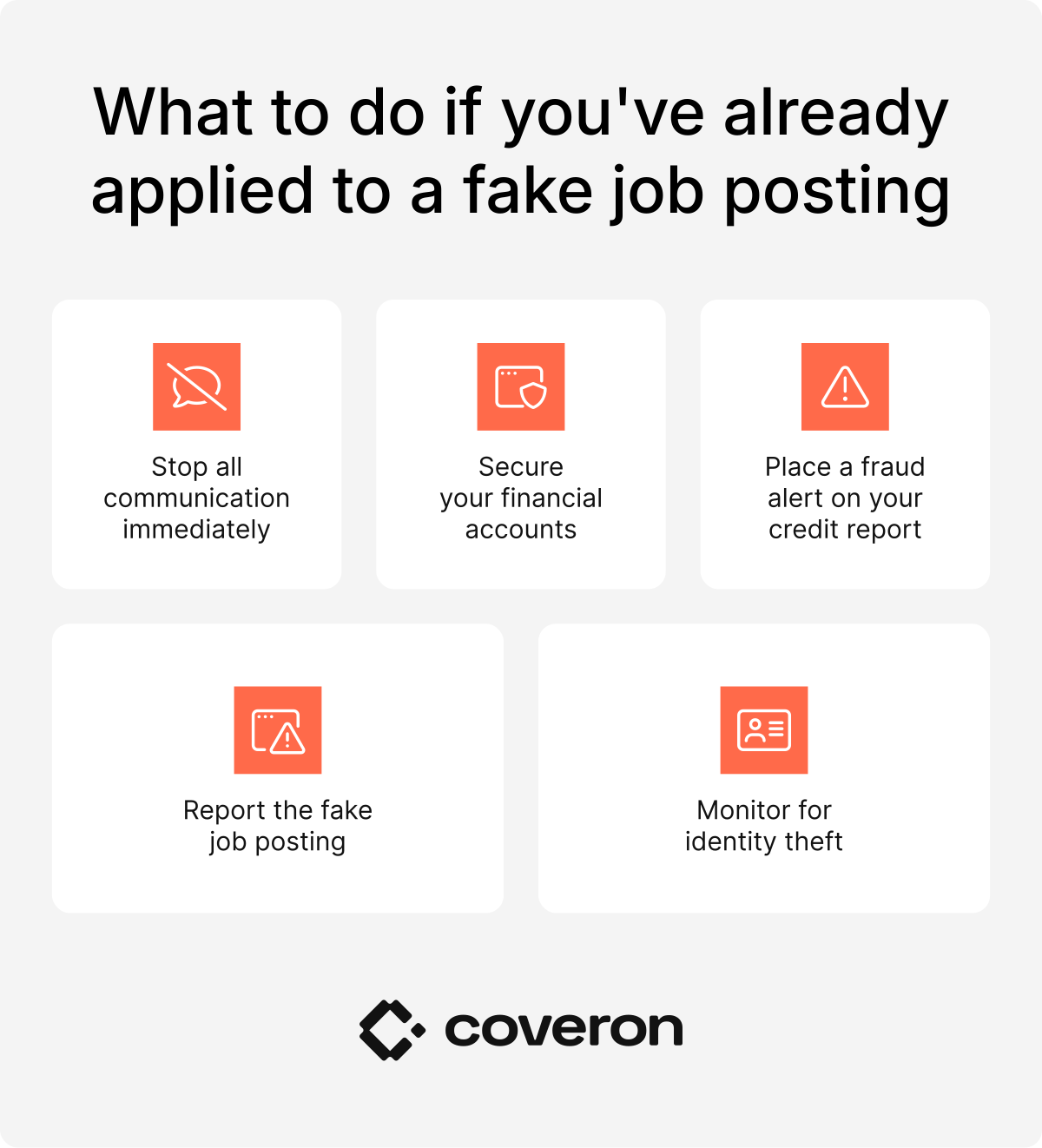
What to do if you’ve already applied to a fake job posting
If you’ve already applied to a fake job posting, the first step is to stay calm and assess what information you may have shared. Taking quick, informed action can help reduce potential harm.
Step 1: Stop all communication immediately
Communicating more with the scammer can expose you to further pressure tactics or attempts to extract additional personal or financial information. It may also delay you from securing your accounts and personal information.
Step 2: Secure your financial accounts
If you’ve shared your banking info, notify your bank immediately and request a freeze or open a new account if needed. This step is especially important if the scammer has also acquired personally identifiable information (PII) in addition to your financial data.
Step 3: Place a fraud alert on your credit report
Contact the three major credit bureaus (Equifax, Experian, TransUnion) to place a fraud alert if your personal information has been shared. It can also be useful to consider whether a credit lock or freeze better fits your needs. A credit freeze is free and limits access to your credit report. A credit lock, on the other hand, also restricts access to your credit report but can usually be turned on or off instantly through an app or online account. It is often offered through credit bureau apps or credit monitoring services and may be included in paid subscription packages.
Step 4: Report the fake job posting
If you have evidence of the fake job posting (especially if it’s still active), report it to the FTC at http://reportfraud.ftc.gov and to the FBI’s Internet Crime Complaint Center (IC3) at http://ic3.gov. You can also report the specific post to the job board where the listing was created. Seniors may contact the AARP, and others affected may contact their state Attorney General’s office.
Step 5: Monitor for identity theft
If you want to take extra precautions, you can consider using a credit monitoring service and watching for unexpected accounts, bills, or credit inquiries in your name. Identity theft protection services like Coveron can alert you if your personal information ends up on places like the dark web.
How to avoid fake job postings
Being cautious and informed can help you avoid falling victim to fraudulent job postings. Here are some practical tips to stay safe during your job search:
- Verify the job posting source: Stick to reputable job boards and official company career pages. If you find a role elsewhere, cross-check it on the company’s official website.
- Research the company thoroughly: Look up the company’s website, contact details, and online presence. Be wary if the company has little to no digital footprint or inconsistent information.
- Confirm the recruiter’s identity: Check if the recruiter is affiliated with the company via LinkedIn or the company’s official email domain. Avoid engaging with recruiters using generic email addresses like Yahoo.
- Watch for common red flags: Unrealistic salaries, vague job descriptions, urgent hiring language, and requests for immediate action are often signs of scams.
- Never pay for a job opportunity: Legitimate employers won’t ask for application fees, training fees, or equipment purchases upfront.
- Be cautious with your personal information: Avoid sharing sensitive details (like your ID number, bank info, or full address) until you’ve received a formal job offer from a verified employer.
- Avoid offers involving money transfers: If a “job” asks you to receive or move money through your personal account, it’s highly likely to be a scam.
- Request a formal interview process: Real employers conduct structured interviews. Be skeptical if you’re “hired” immediately without proper screening.
- Use secure communication channels: Stick to professional platforms and verified contact methods. Avoid conducting job discussions solely through messaging apps like WhatsApp or Telegram.
- Protect your identity proactively: Consider services like Coveron that offer identity monitoring, credit monitoring, and online fraud insurance coverage to help monitor and safeguard your personal information against misuse.
Staying alert and taking time to verify opportunities can significantly reduce your risk. If something feels off, trust your instincts and investigate further before proceeding.
Get notified and act immediately.
30-day money-back guarantee